Is Sedation Dentistry Safe for Adults? What to Know
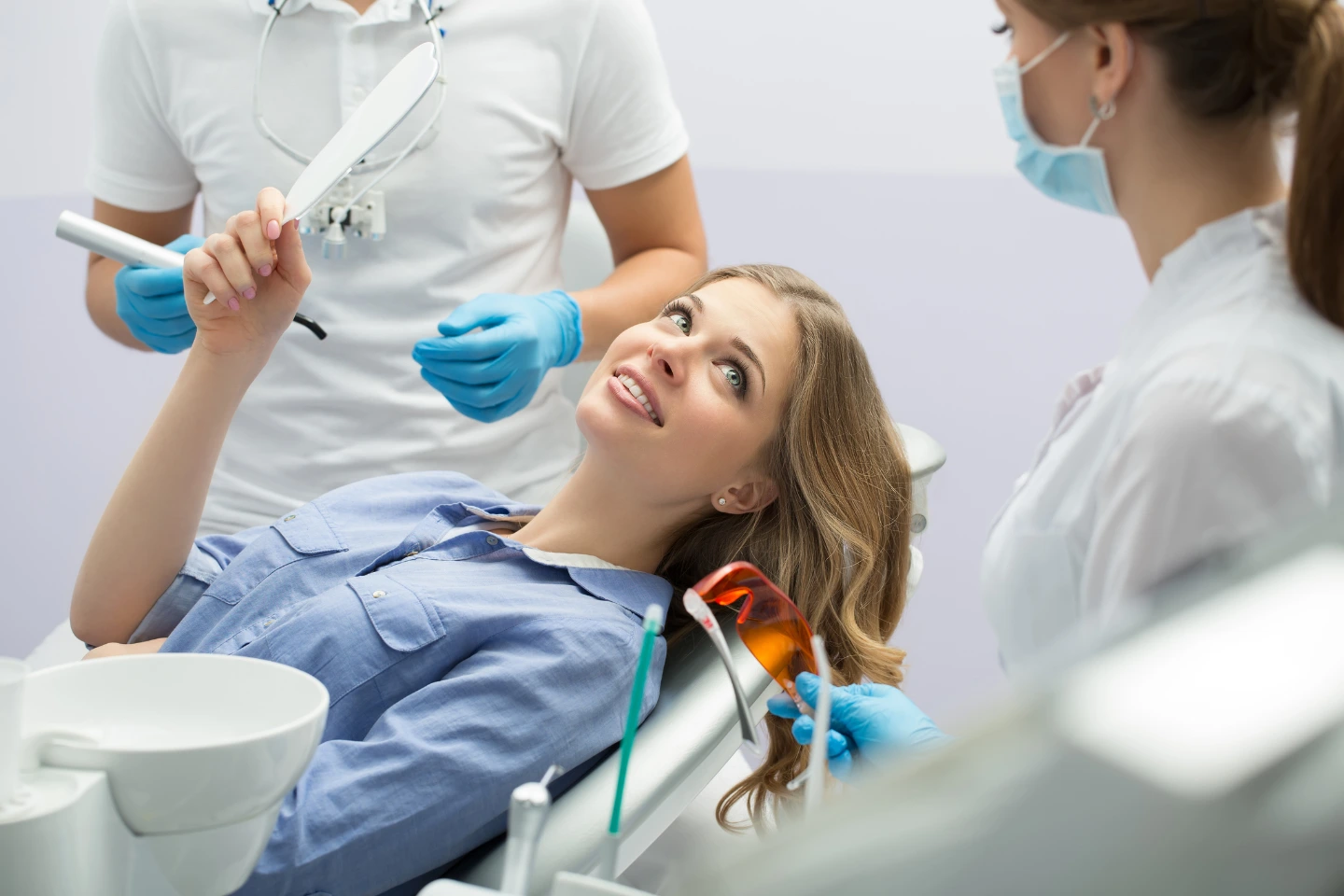
If the thought of going to the dentist makes you nervous, you are certainly not alone. Some adults feel uneasy about needles or dental instruments, while others have had an uncomfortable experience in the past that still affects how they feel about dental care today. For some people, anxiety becomes strong enough that they avoid appointments altogether.
Sedation dentistry can make dental treatment feel more manageable. It can help you relax, reduce fear, and make it easier to sit comfortably through a procedure. But before choosing sedation, it is natural to wonder, "Is sedation dentistry safe for adults?"
In most appropriate cases, dental sedation can be used safely when a qualified dental professional carefully evaluates the patient, selects the right type and dosage, and follows appropriate monitoring procedures. However, sedation is not automatically right for everyone.
At Pittsfield Dental, we believe the best way to approach sedation is to start with a conversation. Understanding your concerns, health history, medications, and treatment needs allows your dental team to determine whether sedation may be a suitable option for you.
What Is Sedation Dentistry?
Sedation dentistry uses medication or inhaled agents to help patients feel relaxed during dental treatment. Depending on the method, sedation can range from mild relaxation to a deeper state of drowsiness.
Sedation is not necessarily the same as being unconscious. Many forms of dental sedation allow you to remain awake and communicate with your dental team.
It is also important to distinguish sedation from local anesthesia. Local anesthesia numbs the area being treated to help prevent pain. Sedation primarily helps you feel calmer and more comfortable.
Depending on the procedure, your dentist may use both.
Why Do Adults Consider Dental Sedation?
Dental anxiety is one of the most common reasons adults ask about sedation.
You may consider sedation if you:
- Feel extremely nervous before dental appointments
- Have avoided dental care because of fear
- Have had a previous unpleasant dental experience
- Have a strong gag reflex
- Feel uncomfortable with dental sounds or sensations
- Become anxious when you need injections
- Need extensive or lengthy dental treatment
- Have difficulty sitting still during dental procedures
Sedation can also be helpful for some patients who need several procedures completed over one or more appointments.
Dental Anxiety Can Affect Oral Health
Avoiding the dentist may seem like a temporary solution, but dental problems rarely improve simply because you wait.
A small cavity can become larger. Gum disease can progress. A tooth that could potentially be restored may eventually require more extensive treatment.
For an anxious patient, finding a comfortable way to receive preventive and restorative care can make a meaningful difference.
What Types of Sedation Are Used for Adults?
There is no single sedation method that is appropriate for every adult. Your dentist will consider your anxiety level, health history, medications, treatment needs, and the level of sedation required.
Nitrous Oxide
Nitrous oxide, commonly called laughing gas, is inhaled through a small mask placed over the nose.
It generally produces a relaxed feeling while allowing you to remain awake and responsive. The effects also tend to wear off relatively quickly after the gas is stopped.
Nitrous oxide may be appropriate for adults with mild to moderate dental anxiety or those who want some help relaxing during treatment.
Oral Sedation
Oral sedation involves taking prescribed medication before a dental procedure. Depending on the medication and dosage, you may feel calm, sleepy, or less aware of the procedure.
Because oral sedation can affect alertness and coordination, you should follow your dentist's instructions about transportation and aftercare.
IV Sedation
IV sedation delivers medication through a vein. This allows the sedation level to be adjusted during treatment.
It may be considered for certain procedures or patients who require a deeper level of relaxation. The appropriate use of IV sedation depends on the patient's health and the provider's training and monitoring capabilities.
Is Sedation Dentistry Safe for Adults?
For appropriately selected patients, sedation dentistry can be a safe way to manage dental anxiety and improve comfort.
However, "safe" does not mean risk-free.
Sedative medications can affect breathing, blood pressure, heart rate, alertness, and coordination depending on the medication and depth of sedation. This is why proper patient screening and monitoring are important.
Your dental professional should determine whether sedation is appropriate rather than relying on a one-size-fits-all approach.
Your Health History Matters
Before sedation, tell your dental team about:
- Prescription medications
- Over-the-counter medications
- Vitamins and supplements
- Allergies
- Previous reactions to anesthesia or sedation
- Relevant medical conditions
- Previous surgeries
- Pregnancy, if applicable
- Any changes in your health
Even medications that do not seem related to dentistry can potentially affect how your body responds to sedatives.
What Happens Before a Sedation Appointment?
Your dental team will review your treatment plan and medical history.
You may also receive specific instructions about eating, drinking, medications, and transportation.
If you are receiving oral or another form of sedation that affects your ability to drive, you will need appropriate transportation home.
Following pre-treatment instructions is an important part of having a safe and comfortable experience.
What Happens During Sedation?
Your dental team will monitor you according to the sedation method being used.
With minimal sedation, you generally remain awake and able to communicate. With deeper sedation, you may become increasingly drowsy.
Your dental team will also use appropriate monitoring based on the level of sedation and the treatment being performed.
The goal is not simply to make you sleepy. The goal is to provide an appropriate level of relaxation while maintaining your safety.
What Is Recovery Like?
Recovery varies depending on the type of sedation used.
Nitrous oxide generally wears off relatively quickly. Oral sedation may cause drowsiness that continues for several hours.
If your dentist instructs you not to drive, operate machinery, make important decisions, or remain alone after treatment, follow those instructions carefully.
Do not assume that feeling awake means you are fully recovered.
Who May Not Be a Candidate for Sedation?
Sedation may not be appropriate for everyone.
Certain medical conditions, medications, allergies, pregnancy, breathing problems, or other factors may influence whether sedation is recommended.
That does not necessarily mean you cannot receive comfortable dental care. Your dentist may recommend alternative anxiety-management techniques or a different sedation method.
The important thing is to have an individualized assessment.
Can Sedation Help With Severe Dental Anxiety?
For some adults, sedation can make it possible to receive dental treatment that they would otherwise avoid.
It can be particularly useful when fear has become a barrier to regular dental visits. However, sedation does not necessarily eliminate the underlying cause of dental anxiety.
A compassionate dental environment, clear communication, gradual exposure to treatment, and appropriate sedation can sometimes work together to create a more positive dental experience.
Schedule a Comfortable Dental Visit at Pittsfield Dental
If dental anxiety has kept you from getting the care you need, you do not have to simply push through the fear. Talk with the team at Pittsfield Dental about your concerns and ask whether sedation dentistry may be appropriate for you.
Contact Pittsfield Dental to schedule a consultation and explore options for a more comfortable dental experience.
Frequently Asked Questions
Q. Is sedation dentistry safe for adults?
Sedation can be safely used for many adults when the patient is properly evaluated and the appropriate method, dosage, and monitoring are used. It is not suitable for everyone.
Q. Does dental sedation put you to sleep?
Not necessarily. Many sedation techniques leave you awake and able to respond. General anesthesia is different and produces unconsciousness.
Q. Can I drive myself home after sedation?
Depending on the sedation method, you may not be able to drive after treatment. Follow the specific instructions provided by your dental team.
Q. Does sedation dentistry prevent pain?
Sedation primarily helps reduce anxiety and promote relaxation. Local anesthesia is generally used to numb the treatment area and control pain.
Q. Is nitrous oxide safe for adults?
Nitrous oxide is commonly used for minimal sedation. Your dentist will determine whether it is appropriate based on your health and treatment needs.
Q. How long does oral sedation last?
The effects vary according to the medication, dosage, and individual response. Drowsiness can continue for several hours.
Q. What should I tell my dentist before sedation?
Provide a complete list of medications, supplements, allergies, medical conditions, and previous reactions to anesthesia or sedation.
Q. Can sedation help if I have avoided the dentist for years?
It may help some patients overcome severe dental anxiety and begin receiving necessary care. Your dentist can develop an approach based on your specific concerns.
Q. Can adults with sensitive gag reflexes benefit from sedation?
Sedation may help some patients relax and tolerate dental treatment more comfortably. Your dentist can determine whether it is appropriate.
Q. Does everyone need sedation for dental anxiety?
No. Some patients benefit from communication, relaxation techniques, shorter visits, or other comfort measures without medication.
Visit Us Today!
We are proud to serve the Pittsfield community and look forward to welcoming you to our dental family. Whether you need preventive care, a smile makeover, or emergency dental care, we are here for you.



We are committed to providing high-quality dental care, personalized to each patient's needs, using the latest technology and techniques.
© 2026 Pittsfield Dental | All Rights Reserved | Privacy Policy | HIPAA Privacy Policy | Digital Marketing by Remedo