How Often Should You Get a Dental Cleaning?
Ever sat in the chair and wondered why your friend gets a cleaning every six months while your dentist told you to come back in three? You're not alone. This is one of the questions patients ask most. Honestly, there's no single answer that fits everyone.
The right cleaning schedule depends on your gum health, your habits, your medical history, and a handful of other personal factors. So instead of handing you a generic rule, let's walk through how you and your dentist actually figure out what's right for you.
Why "Twice a Year" Isn't a One-Size-Fits-All Rule
The twice-a-year guideline gets repeated so often it's become dental folklore. It's a reasonable starting point for a lot of people. But it was never meant to be a strict prescription for every single patient who walks through the door.
Some people can go longer between visits without any issues. Others need more frequent attention to stay ahead of problems. Sound familiar? Professional teeth cleaning isn't just about polishing your teeth so they look nice. It's about managing plaque, tartar, and bacteria in ways a toothbrush and floss simply can't handle on their own at home.
At Pittsfield Dental, we treat cleaning frequency as something personal, not a form letter. A patient with healthy gums, no cavities, and solid home care might genuinely be fine with two visits a year. A patient with a history of gum disease, frequent cavities, or certain health conditions might need cleanings every three to four months just to keep things stable.
Factors That Determine How Often You Need a Cleaning
Your Gum Health History
If you've had gingivitis or periodontal disease before, your mouth is more prone to plaque buildup below the gumline. This is one of the biggest reasons dentists recommend more frequent cleanings (sometimes called periodontal maintenance) for patients with a history of gum issues. Skip cleanings in this case, and inflammation can creep back in before you even notice symptoms.
How Well You Manage Plaque at Home
Some people brush and floss like clockwork and still build up tartar fast, thanks to the natural chemistry of their saliva. Others are a bit more relaxed about their routine but rarely see much buildup at all. Neither situation is a moral failing. It's just biology. Your dentist can see how quickly tartar accumulates on your teeth and use that as a clue for how often you should be scheduling dental care in Pittsfield, MA.
Smoking and Tobacco Use
Tobacco use significantly raises your risk of gum disease and slows healing. Patients who smoke or use other tobacco products are often advised to come in more frequently, so early signs of gum trouble get caught before they progress.
Certain Medical Conditions
Diabetes has a well-documented two-way relationship with gum health. Poorly controlled blood sugar can make gum disease worse, and gum disease can make blood sugar harder to control. It works both ways, and that's the real kicker. Pregnancy affects gum tissue too, thanks to hormonal shifts, which is why some pregnant patients are advised to come in more often during that time. Other conditions that affect immune response or saliva production (autoimmune disorders, certain medications that cause dry mouth) can also shift the recommended interval.
Age and Life Stage
Children, teenagers, adults, and older adults all have different needs. Kids may benefit from regular examinations and preventive care as their permanent teeth erupt. Their cleaning schedule depends on their cavity risk and overall oral health. Older adults may deal with more gum recession or dry mouth from medications, which can change how often a cleaning makes sense.
Orthodontic Appliances or Dental Work
Braces, retainers, bridges, and implants all create more nooks and crannies where plaque can hide. Patients with these appliances often do better with cleanings scheduled closer together, at least while the appliance is in place.
Signs You Might Need a Cleaning Sooner Rather Than Later
There are physical cues that suggest it's time to book an appointment, even if your next scheduled cleaning is still weeks or months out. Bleeding gums when you brush or floss. A persistent bad taste or bad breath that won't quit. Gums that look puffy or red instead of pink and firm. Teeth that feel like they've got a film on them no matter how much you brush. New sensitivity to hot and cold.
None of these are things to ignore or wait out. Not one.
What Happens During a Professional Teeth Cleaning
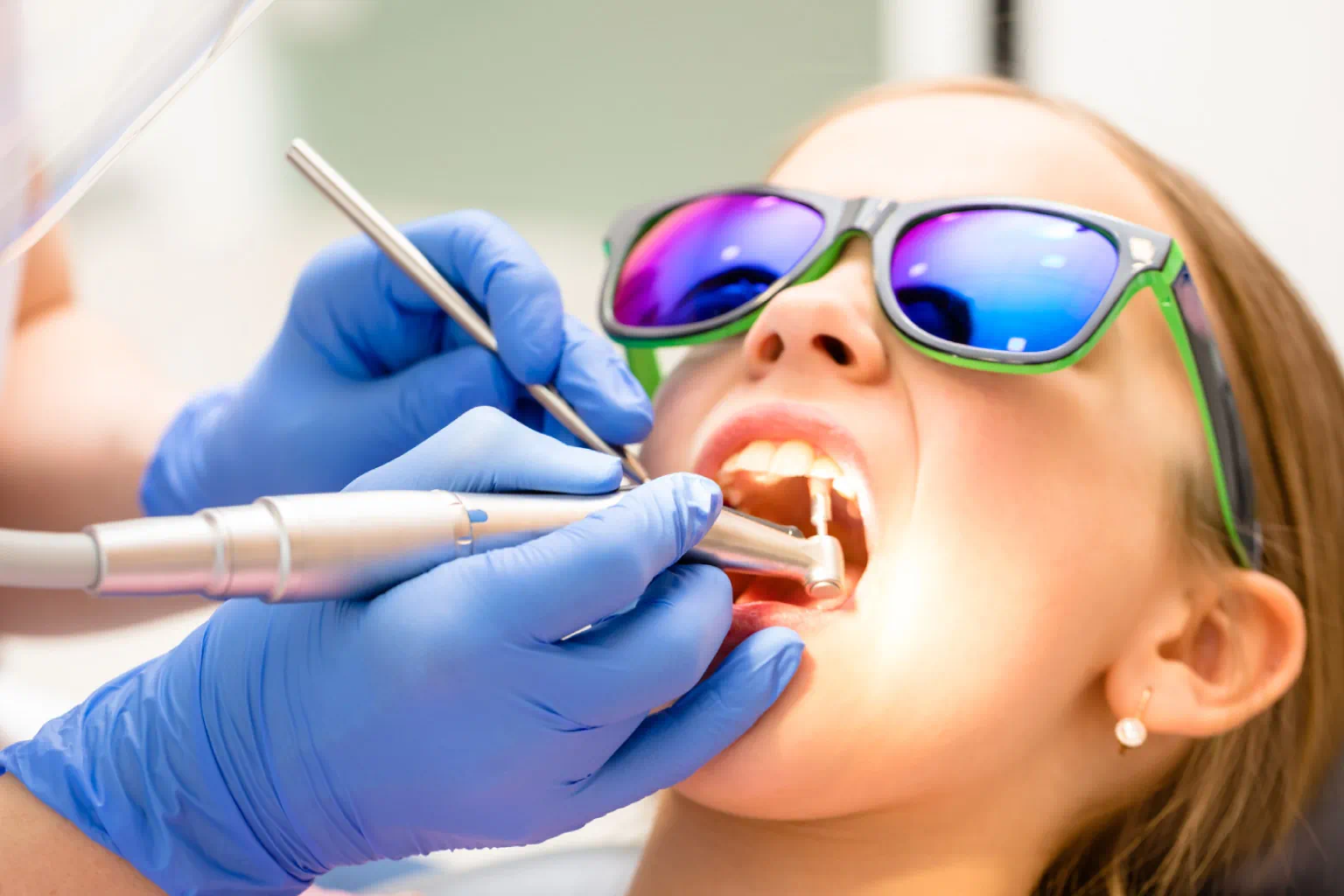
Understanding what actually happens during a cleaning helps explain why the interval matters in the first place. A hygienist uses specialized instruments to remove plaque and tartar from areas brushing and flossing simply can't reach, particularly along and below the gumline. Polishing comes next, to knock out surface stains, and often a fluoride treatment depending on what you need.
Here's the thing: this process also lets your dental team spot early warning signs of decay or gum disease before they turn into bigger problems. That early detection piece is honestly one of the most valuable parts of sticking to a consistent schedule. It's a lot easier to treat a small issue than a large one. Easier said than done to remember that when you're busy, sure, but it's true.
How to Figure Out Your Personal Schedule
The most reliable way to determine your ideal cleaning frequency is a conversation with your dentist, based on a real look at your mouth, not a general rule pulled off the internet. During a checkup, your dentist will check gum pocket depth, look for signs of inflammation, review your brushing and flossing habits, and factor in your medical history.
From there, they can recommend a schedule that reflects what's actually happening in your mouth right now. Not what worked for you five years ago. Not what works for someone else entirely.
If you're due for an exam, or you're just not sure what your ideal interval should be, our team at Pittsfield Dental can walk you through your options and build a plan around what you actually need.
Ready to Get Started?
If it's been a while since your last cleaning, or you're simply not sure what schedule makes sense for you, reaching out is a good first step. The team at Pittsfield Dental can evaluate your gum health, review your history, and help you settle on a cleaning frequency that actually fits your mouth rather than some generic timeline.
Whether you need a routine visit or a more personal plan for dental care in Pittsfield, MA, we're ready to help you figure out what works best for your situation.
FAQs
Q. How often should you get a dental cleaning if you have healthy gums?
Many patients with healthy gums, no history of decay, and consistent home care can maintain their oral health with a cleaning every six months. Your dentist will confirm this interval based on your actual exam results, not just assume it applies to you automatically.
Q. Why do some patients need cleanings every three months?
Patients with a history of gum disease, heavy tartar buildup, diabetes, or those who smoke often need more frequent cleanings, sometimes called periodontal maintenance, to keep inflammation and bacteria under control between visits.
Q. Can I go longer than six months between cleanings?
Some patients with excellent home care and no risk factors may be able to stretch intervals slightly. But this should always be a decision made with your dentist, not on your own, since gum disease can develop without any obvious symptoms.
Q. Does professional teeth cleaning actually make a difference compared to brushing at home?
Yes. Brushing and flossing at home can't remove hardened tartar or fully clean below the gumline the way professional instruments can. Regular cleanings also give your dentist a chance to catch early issues before they become bigger, costlier ones.
Q. What happens if I skip cleanings for a long time?
Skipping cleanings lets plaque and tartar build up, which raises your risk of gum disease, cavities, and bad breath. It also gives small issues more time to turn into bigger, more expensive problems down the road.
Q. How do I find out what cleaning schedule is right for me?
The best way is to schedule an exam with your dentist so they can assess your gum health, review your medical history, and recommend an interval based on your specific needs, not a general guideline pulled from a pamphlet.
Visit Us Today!
We are proud to serve the Pittsfield community and look forward to welcoming you to our dental family. Whether you need preventive care, a smile makeover, or emergency dental care, we are here for you.



We are committed to providing high-quality dental care, personalized to each patient's needs, using the latest technology and techniques.
© 2026 Pittsfield Dental | All Rights Reserved | Privacy Policy | HIPAA Privacy Policy | Digital Marketing by Remedo