How Long Does Teeth Whitening Last? Your Guide to a Lasting Brighter Smile
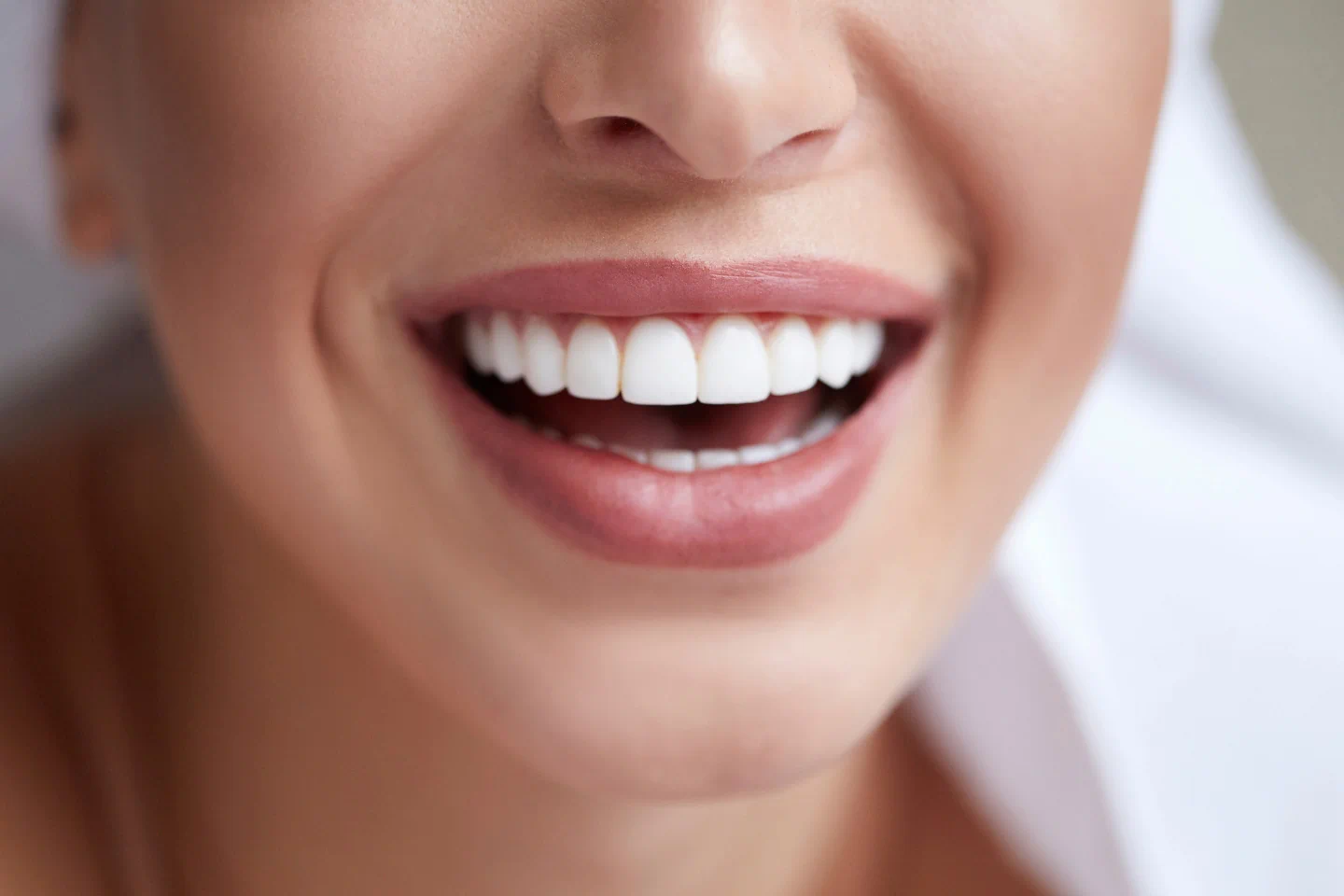
Walking into a room with a freshly whitened smile can feel like a superpower. It is one of the quickest and most effective ways to transform your look, boost your self-esteem, and leave a memorable first impression. Whether you are preparing for a major life event like a wedding, getting ready for job interviews, or simply want to treat yourself to a confidence boost, cosmetic dentistry can completely change your perspective.
But once you see those stunning, bright results in the mirror, your very next thought is naturally going to be about time. How long does teeth whitening last? Is your new, radiant smile a temporary fix, or can you look forward to keeping those pearly whites bright for years to come?
The honest answer is that teeth whitening is not permanent, but its lifespan depends heavily on the choices you make after you leave the dental chair. While some people see their results fade after several months, others enjoy a bright smile for multiple years. At Pittsfield Dental, we want to help you maximize your cosmetic investment. Let us dive into the true timeline of teeth whitening, what causes a smile to fade, and the practical steps you can take to keep your teeth sparkling as long as possible.
The Short Answer: The Average Lifespan of Whitened Teeth
If you are looking for a general timeframe, teeth whitening can last anywhere from six months to three full years. This is a wide window, and that is because your teeth are dynamic and porous, much like your skin. They are constantly exposed to whatever you eat, drink, and put into your mouth.
The longevity of your whitening treatment is not a fixed number. Instead, it is a reflection of the whitening method you chose, your daily habits, and your unique oral anatomy. If you take excellent care of your mouth and protect your teeth from heavily pigmented substances, you will naturally sit at the longer end of that spectrum. Conversely, if you jump right back into old lifestyle habits without any protective measures, you will likely see your teeth begin to dull much sooner.
Major Factors That Determine How Long Your Results Stay Bright
To understand how to make your whitening last, you first need to know what threatens it. Several key factors play a massive role in how quickly new stains begin to form on your newly brightened enamel structure.
Your Daily Diet and Eating Habits
Your mouth encounters a wide variety of dark liquids and intensely colored foods every day. Enamel has microscopic pores that can easily trap dark pigments, known as chromogens.
If you are someone who cannot start the morning without a cup of black coffee, enjoys dark tea in the afternoon, or loves a glass of red wine with dinner, your whitening results will fade much faster. Other common culprits include dark sodas, sports drinks, soy sauce, balsamic vinegar, and deeply pigmented fruits like blueberries and blackberries. The more frequently these substances wash over your teeth, the quicker surface stains will reappear.
Tobacco Use and Smoking
Smoking, chewing tobacco, or using vapes with nicotine are some of the fastest ways to ruin a teeth whitening treatment. Tobacco contains tar and nicotine. While tar is naturally dark, nicotine is actually colorless until it mixes with oxygen in your mouth. Once exposed to air, nicotine turns into a stubborn, yellowish substance that binds tightly to your tooth enamel. Tobacco stains penetrate deeply into the pores of your teeth, causing rapid discoloration that can be highly difficult to clean away with standard brushing alone.
Your Quality of Daily Oral Hygiene
How well you clean your teeth at home is directly tied to the lifespan of your white smile. Every day, a sticky, clear film of bacteria called plaque forms over your teeth. If you do not brush and floss this plaque away regularly, it acts like a magnet for food stains.
Over time, undisturbed plaque absorbs the colors of the foods you eat and hardens into a mineralized crust called tartar. Tartar often has a yellowish or brownish hue and cannot be removed with a standard toothbrush. A lazy routine at the sink means stains will lock onto your teeth much faster.
The Specific Whitening Method Used
Not all whitening treatments are created equal. The initial method you use to brighten your teeth sets the baseline for how deep the treatment goes and how long it will ultimately last. A cheap product bought off a grocery store shelf operates very differently than a medical grade treatment administered by professionals.
Comparing Different Whitening Methods and Their Longevity
To get a clearer picture of what to expect, let us look at the most common teeth bleaching options available today and how they stack up in terms of lasting power.
Professional In-Office Teeth Whitening
This is the gold standard for dramatic, long-lasting results. When you choose professional teeth whitening at a dental practice, a dentist uses a highly concentrated hydrogen peroxide gel. This medical-grade formula is designed to penetrate deeply past the surface enamel and reach the inner dentin layer of the tooth, breaking apart deeply embedded, stubborn stains.
Because the treatment is so thorough and targets both internal and external discoloration, the results of an in-office session can easily last between one to three years, provided you practice reasonable oral care.
At-Home Professional Custom Trays
Another excellent option offered by your dentist involves custom-fitted whitening trays that you take home. Your dental team takes an exact mold of your teeth to create thin, comfortable plastic trays that hold a professional-strength bleaching gel perfectly against your enamel.
Because the trays are custom-made, they prevent your saliva from washing the gel away and shield your sensitive gums from irritation. This method allows you to whiten your teeth gradually over a couple of weeks. It offers excellent longevity, often lasting a year or more, and gives you the added benefit of being able to perform quick, easy touch-ups at home whenever you notice your smile starting to dull.
Over-the-Counter Whitening Strips and Store Kits
Store-bought options like generic whitening strips, paint-on gels, and universal trays are very popular because they are inexpensive and highly accessible. However, their results are generally short-lived.
Because these products must be safe for anyone to use without a dentist's supervision, they contain much lower concentrations of active bleaching ingredients. They primarily target mild surface stains on the very top layer of your teeth. As a result, the whitening effect tends to fade quickly, often requiring you to buy another kit after just a few months to maintain the brightness.
Whitening Toothpastes and Rinses
Whitening toothpastes and mouthwashes do not actually change the internal color of your teeth. They do not contain true bleaching agents that sink into the tooth pores. Instead, they rely on mild abrasives or chemical enzymes to scrub away superficial surface stains left behind by your latest meal. While they are excellent tools for daily maintenance, their whitening longevity is essentially non-existent on its own; your teeth will only look as bright as your last scrubbing session.
Practical Ways to Extend Your Whitening Results
You do not have to live on a strict diet of plain water and white rice to protect your beautiful smile. By incorporating a few smart, simple habits into your daily routine, you can significantly delay the reappearance of stains.
- Follow the 48-Hour White Diet: Immediately after a professional whitening treatment, the pores in your enamel remain slightly open and highly vulnerable to staining. For the first two days, avoid all dark foods and drinks completely. Stick to clear or white items like milk, water, white chicken, fish, rice, and pasta.
- Use a Straw for Dark Drinks: When you do indulge in iced coffee, iced tea, or dark sodas, try to drink them through a straw. A straw helps direct the liquid past your front teeth, minimizing direct contact with your visible smile.
- Rinse with Water After Eating: If you cannot brush your teeth immediately after consuming a staining food or beverage, simply swish some plain water around your mouth and spit it out. This simple trick helps flush away loose pigments before they have a chance to settle into your enamel.
- Stay Consistent with Professional Dental Cleanings: Visiting your trusted team at Pittsfield Dental twice a year for routine dental cleanings is vital. Your dental hygienist has specialized tools that can safely scrape away hardened tartar and polish away fresh surface stains, instantly refreshing the brightness of your smile.
Ready for a Brighter Smile? Contact Pittsfield Dental Today
Your smile is a reflection of your personality, warmth, and vitality. If you are tired of hiding your smile because of yellowing or deep discoloration, you do not have to settle for a dull look.
At Pittsfield Dental, we are dedicated to helping you achieve a healthy, radiant smile that you can show off with absolute pride. Our compassionate team provides advanced professional teeth whitening treatments tailored to your unique oral health and aesthetic goals, ensuring beautiful results that stay bright for the long run. We will walk you through the entire process, protect your comfort, and give you the personalized tools you need for lasting success. Let us help you put your best foot forward. Contact our office today to schedule your cosmetic consultation and discover the power of a brighter smile.
Frequently Asked Questions About Teeth Whitening Longevity
Q. Can teeth whitening last forever?
A. No, teeth whitening cannot last forever. Fading is a natural part of the lifecycle of your teeth. In addition to the foods you eat, teeth naturally become more yellowish as you grow older. As time passes, your outer white enamel layer gradually thins out, allowing the naturally yellow inner layer, called dentin, to show through more clearly.
Q. How often can I safely touch up my smile?
A. If you are using professional at-home custom trays, a quick one-day or two-day touch-up every six months is usually more than enough to maintain a bright look. You should always consult with your dentist before doing a touch-up, as bleaching your teeth too frequently can lead to chronic tooth sensitivity or leave your teeth looking unnaturally translucent.
Q. Will teeth bleaching work on crowns, veneers, or fillings?
A. No, whitening products only work on natural tooth structures. The materials used to create porcelain crowns, dental veneers, and composite tooth-colored fillings are completely resistant to bleaching gels. If you whiten your teeth, your natural teeth will become lighter while your existing dental work will stay the exact same color, which can sometimes create an uneven appearance.
Q. Why did my teeth fade so quickly after using a store kit?
A. Over-the-counter kits only remove superficial surface stains on the absolute outer layer of your enamel. Because they do not penetrate deep into the tooth structure to clear out deeper discoloration, normal daily eating and drinking will quickly cover the surface with new stains, causing the bright effect to vanish within a matter of weeks.
Visit Us Today!
We are proud to serve the Pittsfield community and look forward to welcoming you to our dental family. Whether you need preventive care, a smile makeover, or emergency dental care, we are here for you.



We are committed to providing high-quality dental care, personalized to each patient's needs, using the latest technology and techniques.
© 2026 Pittsfield Dental | All Rights Reserved | Privacy Policy | HIPAA Privacy Policy | Digital Marketing by Remedo