Can Teeth Grinding Cause TMJ? Understanding the Connection
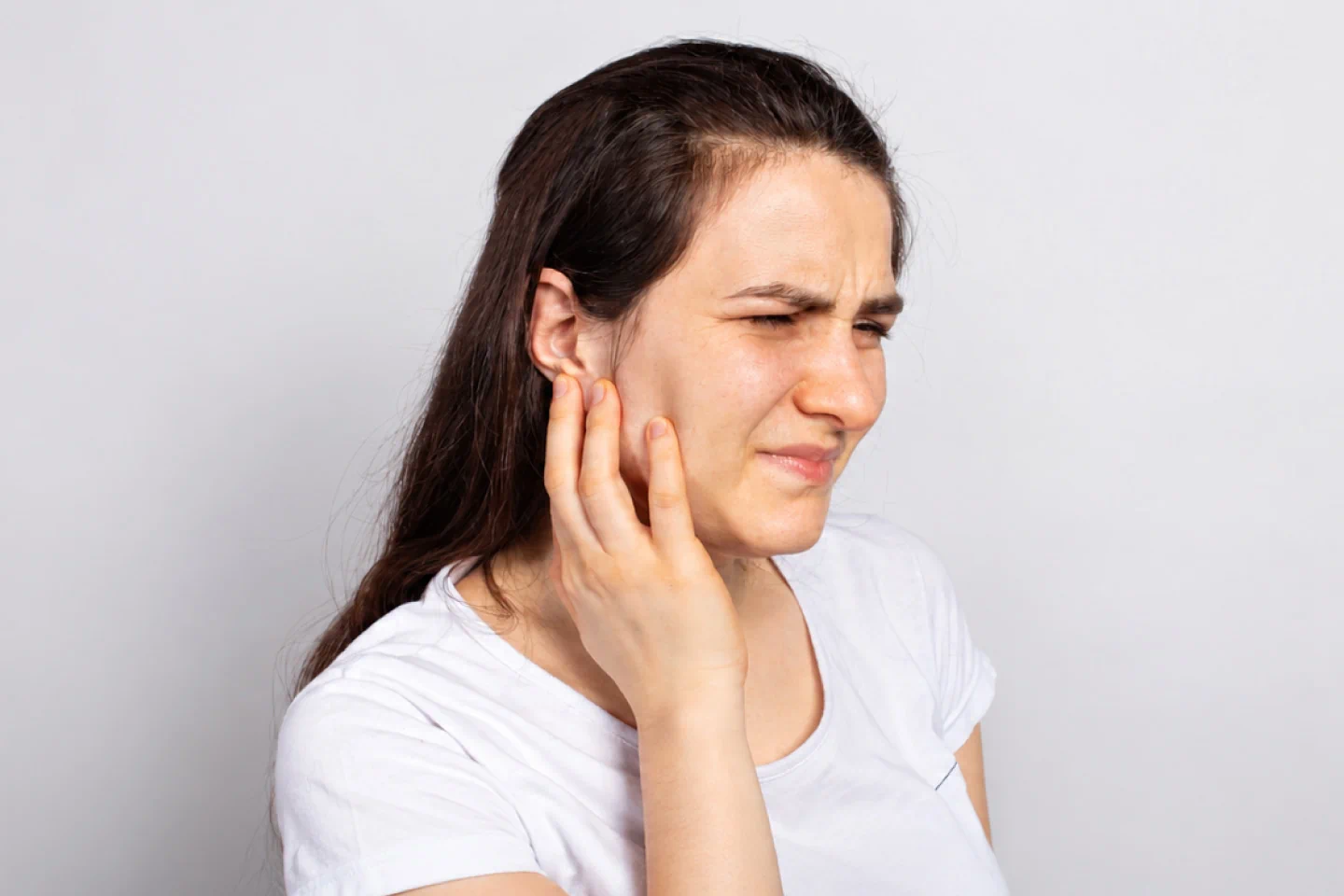
You may not even realize that you grind or clench your teeth. It can happen while you are asleep, during stressful moments at work, or when you are concentrating on something. Over time, however, repeated pressure on your teeth and jaw can leave you with symptoms that are hard to ignore.
Maybe your jaw feels sore when you wake up. Perhaps you have started noticing clicking near your ears, headaches around your temples, or pain when chewing.
This can lead to an important question: Can teeth grinding cause TMJ?
Teeth grinding, also known as bruxism, can put significant stress on the jaw muscles and temporomandibular joints. In some people, that repeated stress may contribute to temporomandibular joint disorder, commonly referred to as TMJ or TMD.
At Pittsfield Dental, we can evaluate symptoms related to teeth grinding, jaw discomfort, and changes in your bite and help determine whether further treatment may be appropriate.
What Is TMJ?
The temporomandibular joints are located on both sides of your face, just in front of your ears. These joints connect your lower jaw to your skull and allow your mouth to open, close, and move from side to side.
When the joints, muscles, ligaments, or surrounding structures are not functioning properly, you may develop temporomandibular joint disorder.
People often use "TMJ" to describe both the joint itself and the disorder affecting it. Technically, the joint is the temporomandibular joint, while the disorder is often called TMD.
Common TMJ Symptoms
TMJ problems can cause symptoms such as:
- Jaw pain
- Facial tenderness
- Clicking or popping
- Jaw stiffness
- Headaches
- Ear discomfort
- Pain while chewing
- Difficulty opening your mouth
- Jaw locking
- Pain around the temples
- Soreness when waking up
You may have only one or two of these symptoms, and their severity can vary.
What Is Teeth Grinding?
Teeth grinding is called bruxism. It involves clenching or grinding your teeth, either while you are awake or during sleep.
Sleep bruxism can be particularly difficult to identify because you may not know you are doing it.
A partner may hear grinding sounds at night. Your dentist may also notice signs such as flattened, chipped, or worn teeth.
Awake and Sleep Bruxism
Awake bruxism often involves clenching your teeth without realizing it. It can happen when you are concentrating, stressed, or emotionally tense.
Sleep bruxism occurs while you are asleep and may involve rhythmic grinding or clenching.
Both can place additional stress on your jaw.
Can Teeth Grinding Cause TMJ?
Teeth grinding can contribute to jaw pain and may increase strain on the temporomandibular joints and surrounding muscles.
However, TMJ disorders have many possible causes. Teeth grinding is one potential contributing factor, not necessarily the sole cause.
In other words, grinding does not guarantee that you will develop TMD, but persistent clenching and grinding can create conditions that may contribute to jaw problems.
Why Grinding Places Stress on the Jaw
Your jaw muscles work every time you chew. During normal eating, however, there are periods when those muscles relax.
Constant clenching or grinding can keep the muscles working for extended periods. This may lead to muscle fatigue, tenderness, and discomfort.
Repeated force may also place stress on the structures within the temporomandibular joint.
What Are the Signs That Grinding May Be Affecting Your Jaw?
You may want to discuss bruxism with your dentist if you regularly experience:
- Morning jaw soreness
- Tight or tired jaw muscles
- Frequent headaches
- Tooth sensitivity without an obvious cause
- Chipped or worn teeth
- Facial pain
- Jaw clicking or popping
- Pain when chewing
- Difficulty opening your mouth fully
Not every symptom means you have TMD. A professional evaluation can help determine what is actually happening.
Why Do People Grind Their Teeth?
There is no single reason everyone grinds their teeth.
Potential contributing factors can include stress, anxiety, sleep-related factors, certain medications, and other individual circumstances.
Some people grind primarily while asleep, while others clench their jaw during the day without realizing it.
Identifying when and why you clench can be helpful when developing a treatment plan.
How Does a Dentist Diagnose Teeth Grinding and TMJ Problems?
Your dentist will usually begin by asking about your symptoms and examining your teeth and jaw.
Checking Your Teeth
Signs of excessive wear, fractures, chips, or flattened chewing surfaces may indicate that your teeth are experiencing repeated forces.
Examining Your Jaw
Your dentist may assess your jaw movement, listen for clicking or popping, and check the muscles around your face and jaw for tenderness.
Your bite may also be evaluated.
Considering Additional Testing
In some cases, additional imaging or referral to another dental specialist may be appropriate. The need depends on your symptoms and examination findings.
How Can Teeth Grinding Be Treated?
Treatment depends on what is causing the grinding and whether it is affecting your teeth, muscles, or jaw joints.
Custom Mouthguards and Oral Appliances
Your dentist may recommend a custom oral appliance for selected patients. An appliance can help protect teeth from the effects of grinding.
It is important to understand that a mouthguard does not necessarily eliminate the reason you grind. Its purpose and design should be based on your individual needs.
Managing Jaw Strain
If your jaw is sore, your dentist may recommend temporarily avoiding habits that place additional stress on the joint, such as chewing gum or biting hard objects.
In some cases, physical therapy or specific jaw exercises may also be considered.
Addressing Stress and Clenching Habits
If you clench your teeth during the day, becoming more aware of the habit can help. Some people benefit from reminders to keep their jaw relaxed when they are not eating.
Stress management may also be useful when tension contributes to clenching.
Does Teeth Grinding Always Need Treatment?
Not necessarily.
Some people grind their teeth without developing significant symptoms or damage. However, regular grinding should not be ignored if you are experiencing pain, tooth damage, sensitivity, or jaw problems.
Early attention may help prevent the problem from becoming more disruptive.
Can TMJ Pain Go Away?
Some jaw discomfort is temporary and may improve with conservative care. Other cases may persist or require more involved treatment.
If your jaw pain continues, worsens, or interferes with eating or opening your mouth, schedule an evaluation rather than trying to diagnose the problem yourself.
How Can You Reduce Stress on Your Jaw?
Small daily habits can make a difference.
Try to avoid chewing gum excessively, biting fingernails or pens, and repeatedly opening your mouth very wide.
Pay attention to your jaw during the day. When you are not eating, your teeth generally should not need to remain tightly clenched.
If you wake up with jaw soreness, tell your dentist. That can be an important clue that you may be grinding or clenching during sleep.
Talk to Pittsfield Dental About Jaw Pain and Teeth Grinding
Jaw pain is not something you have to simply live with. If you suspect that you are grinding your teeth or you have started experiencing jaw soreness, clicking, headaches, or tooth wear, Pittsfield Dental can help you determine what may be contributing to the problem.
Schedule an appointment with Pittsfield Dental for an evaluation and learn how you can protect your teeth while taking better care of your jaw health.
Frequently Asked Questions
Is it possible to develop TMJ from teeth grinding?
Yes. Persistent teeth grinding and clenching can place additional stress on the jaw muscles and temporomandibular joints and may contribute to TMD in some people. However, TMJ disorders can have multiple causes.
What is the connection between bruxism and TMJ?
Bruxism involves repeated clenching or grinding, which can overwork the jaw muscles and increase stress on the temporomandibular joints.
Can teeth grinding cause jaw pain?
Yes. Repeated clenching and grinding can contribute to muscle fatigue and soreness and may be associated with jaw discomfort.
Can teeth grinding cause headaches?
It can contribute to muscle tension that may be associated with headaches, particularly around the temples. However, headaches can have many causes.
How do I know if I grind my teeth at night?
You may notice morning jaw soreness, headaches, tooth sensitivity, or worn teeth. A sleep partner may also notice grinding sounds. Your dentist can look for signs of bruxism during an examination.
Can a mouthguard stop teeth grinding?
A dental appliance can help protect the teeth from grinding forces, but it does not necessarily eliminate the underlying cause of bruxism.
Is jaw clicking always TMJ?
No. Clicking or popping can occur without significant pain or functional problems. Persistent clicking accompanied by pain, locking, or restricted movement should be evaluated.
Can stress make teeth grinding worse?
Stress and emotional tension can contribute to clenching or grinding in some people. Identifying stress-related habits may be useful as part of a broader approach to managing bruxism.
Should I see a dentist for jaw pain from grinding?
Yes. If you have persistent jaw pain, tooth damage, headaches, or other symptoms associated with grinding, your dentist can evaluate your teeth and jaw and recommend appropriate next steps.
Can teeth grinding damage my teeth?
Over time, significant grinding can contribute to tooth wear, chips, cracks, sensitivity, and other dental problems. Regular dental examinations can help identify signs of excessive wear.
Visit Us Today!
We are proud to serve the Pittsfield community and look forward to welcoming you to our dental family. Whether you need preventive care, a smile makeover, or emergency dental care, we are here for you.



We are committed to providing high-quality dental care, personalized to each patient's needs, using the latest technology and techniques.
© 2026 Pittsfield Dental | All Rights Reserved | Privacy Policy | HIPAA Privacy Policy | Digital Marketing by Remedo