Bone Grafting for Implants: When Is It Needed and How Does It Work?
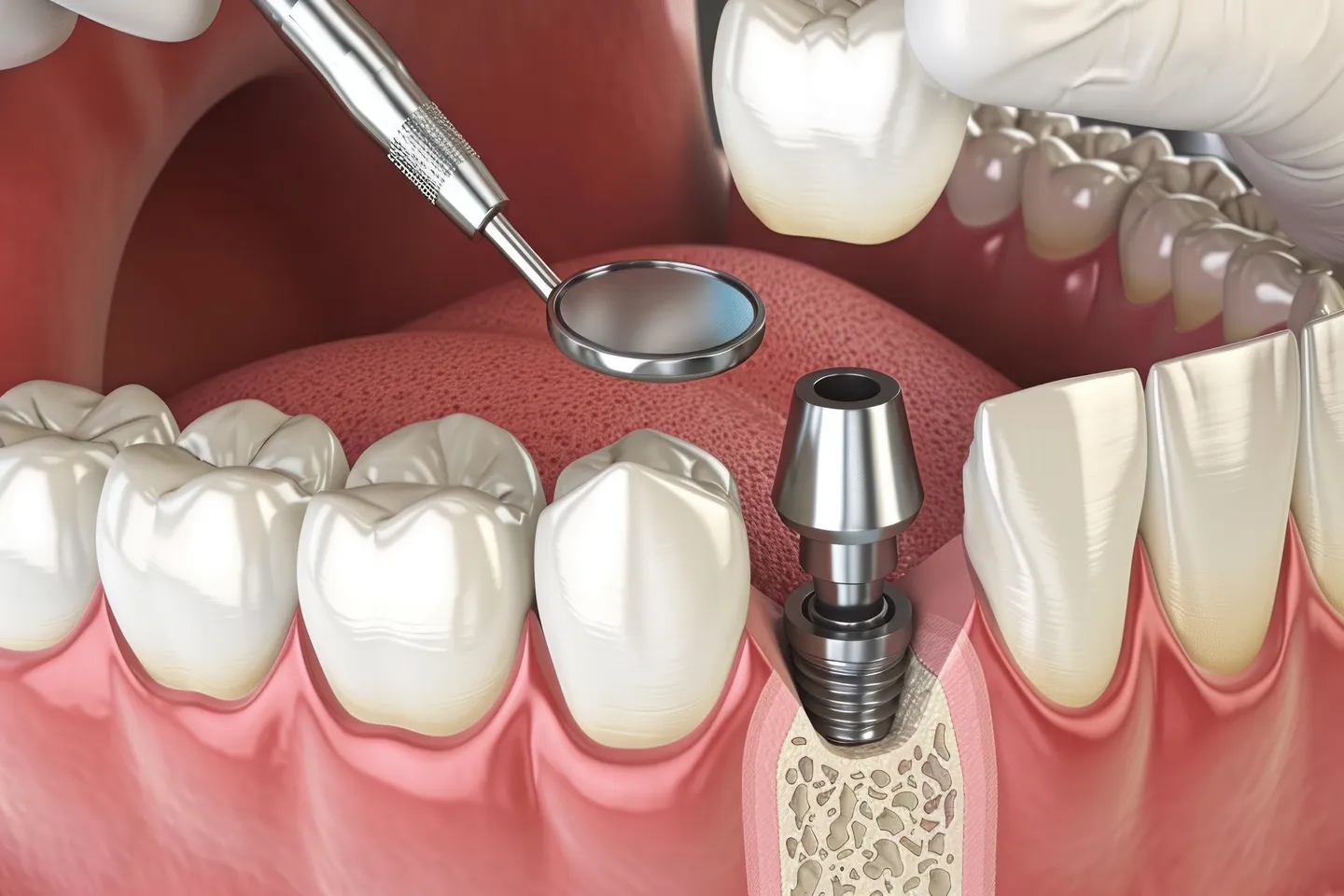
Dental implants have become one of the most effective and long-lasting solutions for replacing missing teeth. They look natural, function like real teeth, and help prevent jawbone loss. However, not every patient has the bone strength or volume needed to support a dental implant right away. In these cases, bone grafting may be necessary to rebuild and strengthen the jaw before implant placement.
At Pittsfield Dental, we see many patients who are excellent candidates for implants once their jawbone has been properly restored. Bone grafting is a safe, predictable, and widely used procedure that sets the foundation for successful dental implant treatment. This blog explains when bone grafting is needed, how the process works, what to expect during healing, and why it plays such a crucial role in implant dentistry.
What Is Bone Grafting for Dental Implants?
Bone grafting is a surgical procedure that restores missing or weakened bone in the jaw. A grafting material is placed in areas where bone has deteriorated or where additional support is needed for an implant. Over time, the graft integrates with the patient’s natural bone, creating a strong, stable foundation for the implant.
Dental implant success depends heavily on the quality and quantity of the jawbone. If the bone is too thin, too soft, or too shallow, an implant cannot properly anchor. Bone grafting aims to rebuild this lost structure so that the implant can fuse securely with the jaw.
Why Jawbone Loss Happens
Bone loss in the jaw is extremely common, especially in areas where a tooth has been missing for a long time. When a tooth is lost, the bone no longer receives natural stimulation from chewing, and it begins to shrink.
Common causes of jawbone loss include:
1. Tooth Loss
After losing a tooth, bone begins to shrink within months and continues for years.
2. Gum Disease
Advanced periodontal disease destroys the bone and tissue that support the teeth.
3. Trauma
Accidents, sports injuries, or fractures can result in bone deterioration.
4. Long-Term Denture Use
Traditional dentures do not stimulate bone, which can lead to thinning and resorption.
5. Infection
Dental infections can damage bone around the teeth or roots.
Identifying the cause of bone loss helps your dentist at Pittsfield Dental determine the best grafting approach.
When Is Bone Grafting Needed for Dental Implants?
Not every implant patient requires bone grafting, but it is recommended when the jawbone is not strong enough to support a secure implant.
You may need bone grafting if you have:
1. Insufficient Bone Height or Thickness
The implant requires a certain level of bone mass to anchor properly. If your bone has worn away, grafting helps rebuild the area.
2. Tooth Loss for More Than a Few Months
Waiting too long after tooth loss increases the likelihood of needing grafting.
3. Gum Disease Damage
Periodontal disease can lead to bone recession, making grafting essential for implant stability.
4. Sinus Expansion (Upper Back Teeth)
If the sinus cavity has dropped too close to the jawbone, a sinus lift bone graft may be necessary.
5. Bone That Is Too Soft
Soft bone cannot hold an implant securely. Grafting strengthens and densifies the area.
6. Trauma or Injury
Accidents may leave insufficient bone structure for implant placement.
At Pittsfield Dental, we use digital X-rays and 3D imaging to assess the jawbone and determine whether bone grafting is necessary. Our goal is always to maximize implant success and long-term durability.
Types of Bone Grafting Procedures for Dental Implants
There are several types of bone grafts used in implant dentistry. The right option depends on your bone volume, location of tooth loss, and overall treatment plan.
1. Socket Preservation (After Tooth Extraction)
Placed immediately after an extraction to prevent bone loss and prepare the site for a future implant.
2. Ridge Augmentation
Builds up bone width and height where significant deterioration has occurred.
3. Sinus Lift
Used when placing implants in the upper back jaw. The sinus membrane is lifted and bone material is added to create space for a secure implant.
4. Block Bone Graft
A small block of bone is used to correct more severe bone loss.
5. Minor Bone Graft
Used for small enhancements when only a slight increase in bone volume is needed.
Pittsfield Dental provides personalised treatment plans based on your oral health, imaging results, and implant goals.
What Materials Are Used in Bone Grafts?
Bone grafting uses biocompatible materials that encourage new bone growth. These materials may include:
- Autograft (your own bone)
- Allograft (donor bone)
- Xenograft (animal-derived bone, commonly bovine)
- Synthetic grafts (biocompatible materials designed to stimulate bone growth)
Your dentist will choose the safest and most appropriate material based on your medical history and treatment needs.
How Bone Grafting Works: Step-by-Step
Step 1: Consultation and Imaging
Using 3D scans, we assess the amount of bone available and identify areas requiring grafting.
Step 2: Graft Placement
Local anesthesia is used to keep you comfortable. The grafting material is placed into the area with insufficient bone.
Step 3: Healing and Integration
Over the next few months, the graft fuses with your natural bone. This process is called osseointegration.
Step 4: Implant Placement
Once adequate bone mass is restored, the dental implant is placed securely into the jaw.
Step 5: Final Restoration
After the implant heals, a natural-looking crown is attached to complete your smile.
This process ensures the implant is strong, stable, and long-lasting.
Does Bone Grafting Hurt?
Many patients are surprised at how comfortable bone grafting can be. With modern techniques and local anesthesia, the procedure is typically pain-free. You may experience mild soreness or swelling afterward, but most patients manage this easily with over-the-counter pain medication.
Healing Time After Bone Grafting
Healing varies depending on the type and size of the graft. Typical healing times range from:
- 3 to 6 months for most grafts
- 6 to 9 months for more extensive grafting
During this time, it is essential to follow your dentist's instructions on oral hygiene, diet, and activity to ensure proper healing.
Why Bone Grafting Is Important for Implant Success
A strong jawbone is essential for the longevity of dental implants. Without enough bone:
- The implant cannot anchor securely
- Implant failure risk increases
- Chewing pressure may damage surrounding bone
Bone grafting enhances implant performance, improves bite strength, and creates a natural, beautiful result that blends seamlessly with your smile.
Who Is a Good Candidate for Bone Grafting?
Most patients needing implants but lacking sufficient bone are good candidates for grafting, especially those who:
- Lost teeth long ago
- Have gum disease
- Wear dentures
- Experienced trauma
- Have areas of bone thinning
- Want long-lasting implant solutions
During your consultation at Pittsfield Dental, we evaluate your oral health and create a treatment plan that fits your needs.
Conclusion
Bone grafting is a crucial part of implant dentistry for many patients. Whether you lost bone due to gum disease, trauma, or long-term tooth loss, grafting can rebuild the jawbone and create the perfect foundation for a dental implant. The procedure is safe, predictable, and widely used to ensure long-term implant stability.
At Pittsfield Dental, we offer advanced bone grafting and implant treatments with a patient-centered approach. Our team uses modern technology, precise diagnostics, and compassionate care to deliver strong, healthy smiles that last.
If you are considering dental implants or want to know whether you need bone grafting, schedule a consultation with Pittsfield Dental today.
Visit Us Today!
We are proud to serve the Pittsfield community and look forward to welcoming you to our dental family. Whether you need preventive care, a smile makeover, or emergency dental care, we are here for you.



We are committed to providing high-quality dental care, personalized to each patient's needs, using the latest technology and techniques.
© 2026 Pittsfield Dental | All Rights Reserved | Privacy Policy | HIPAA Privacy Policy | Digital Marketing by Remedo